New window frames, fitted properly
Draughts, condensation on the glass or frames that need painting every few years? We replace window frames in uPVC, timber or aluminium, with HR++ or triple glazing, and finish everything neatly: inside, outside and where the frame meets the wall. One in-house team, one point of contact, in English.

New frames that actually seal
A window frame is only as good as its connection to the wall. That is where draughts come in, where cold bridges form and where it leaks if the finishing is poor. So we do not just fit the frame: we remove the old one, seal the joint, fit the sills and do the plastering and painting around it.
We advise on material, glazing and opening direction, and take into account what the municipality or the owners' association requires. For listed buildings or protected townscapes we check profiles and glazing type. You receive a clear quotation in advance.
Request a quote for window framesOne in-house team
From removal to painting by our own tradespeople.
A clear price up front
A quotation per frame and per item, without surprises.
A proper seal
Airtight and watertight, with finishing inside and out.
Tailored advice
Material, glazing and opening direction that suit your home and the rules.
Window frames in our projects
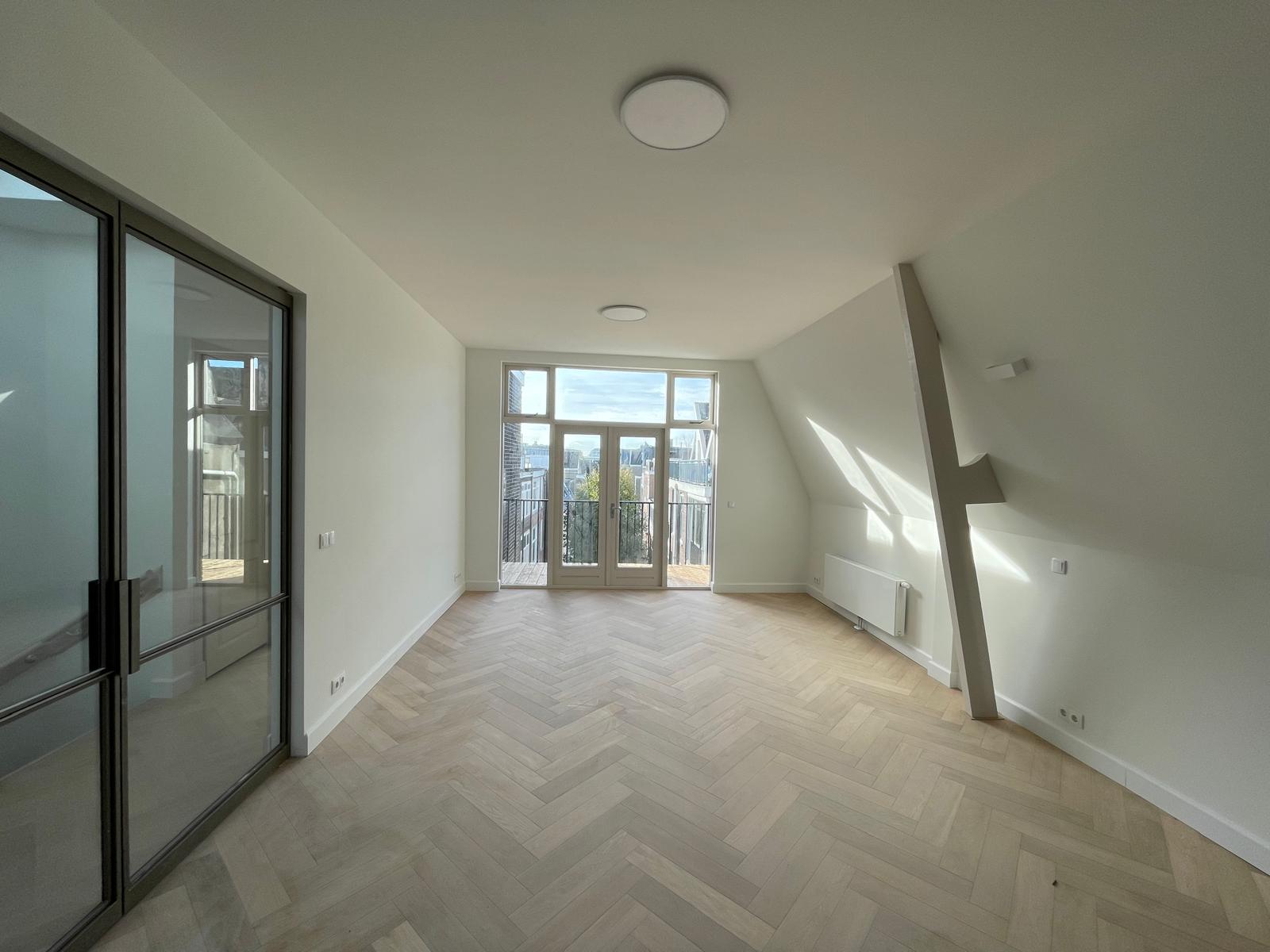
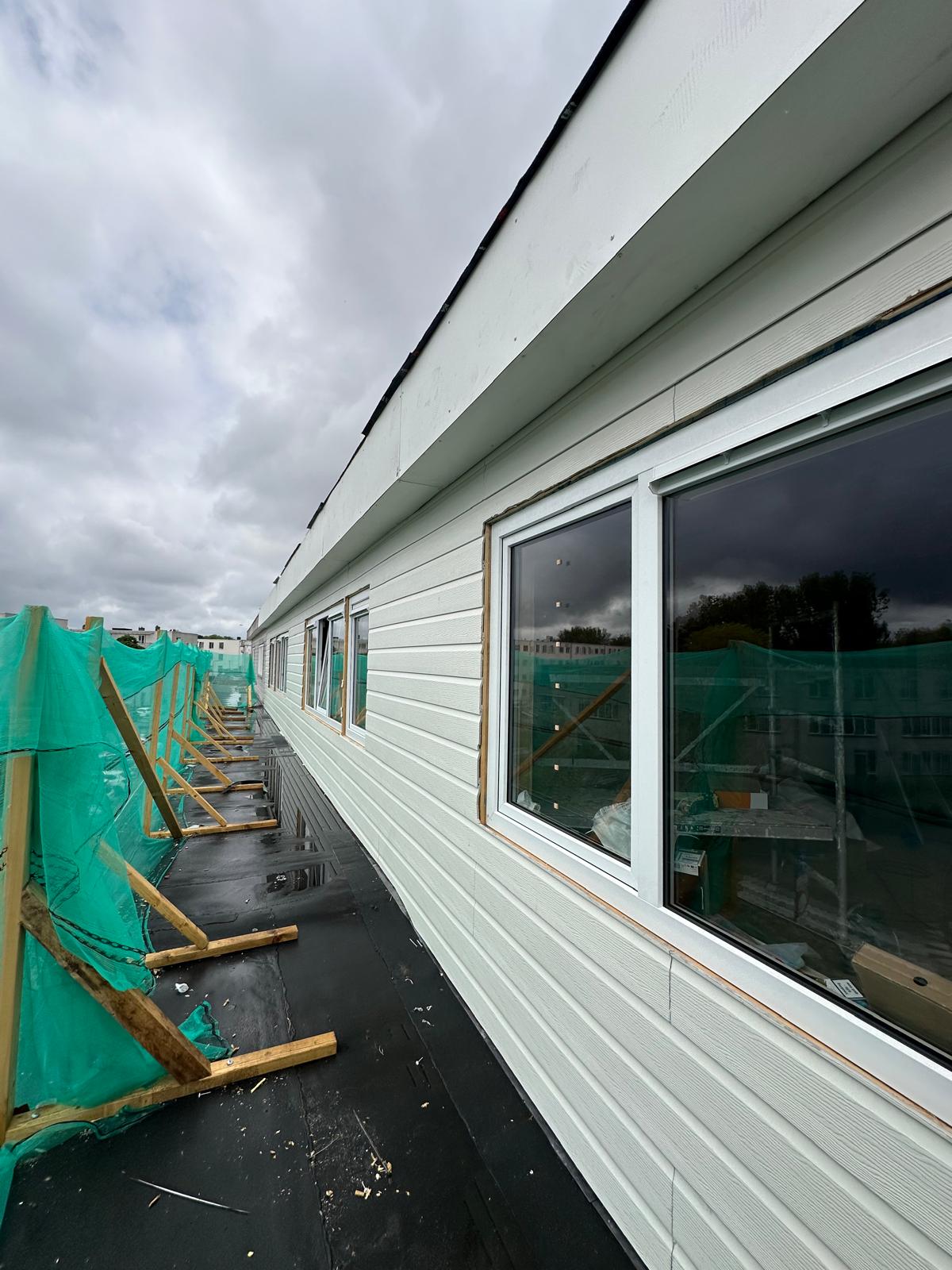
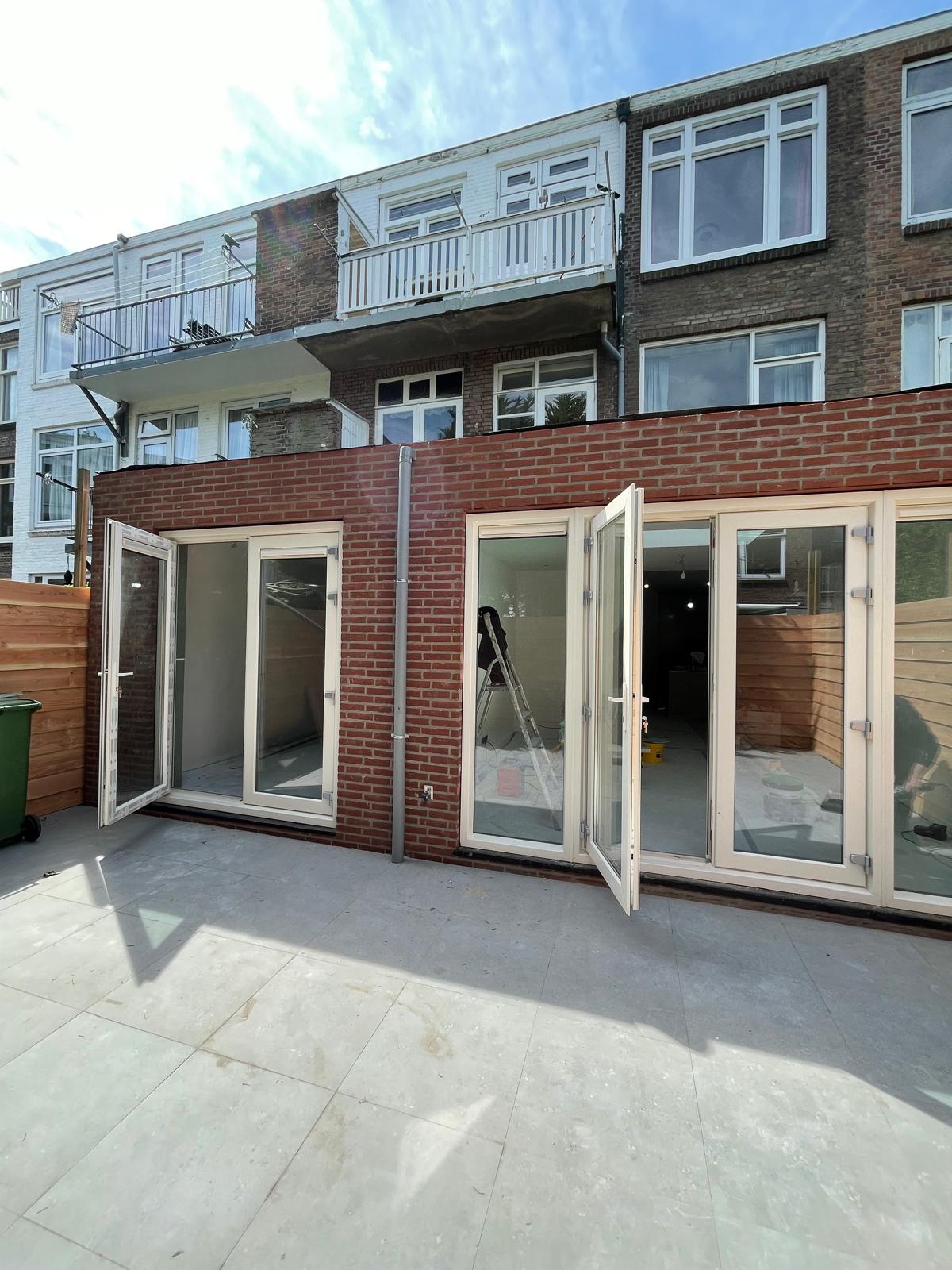
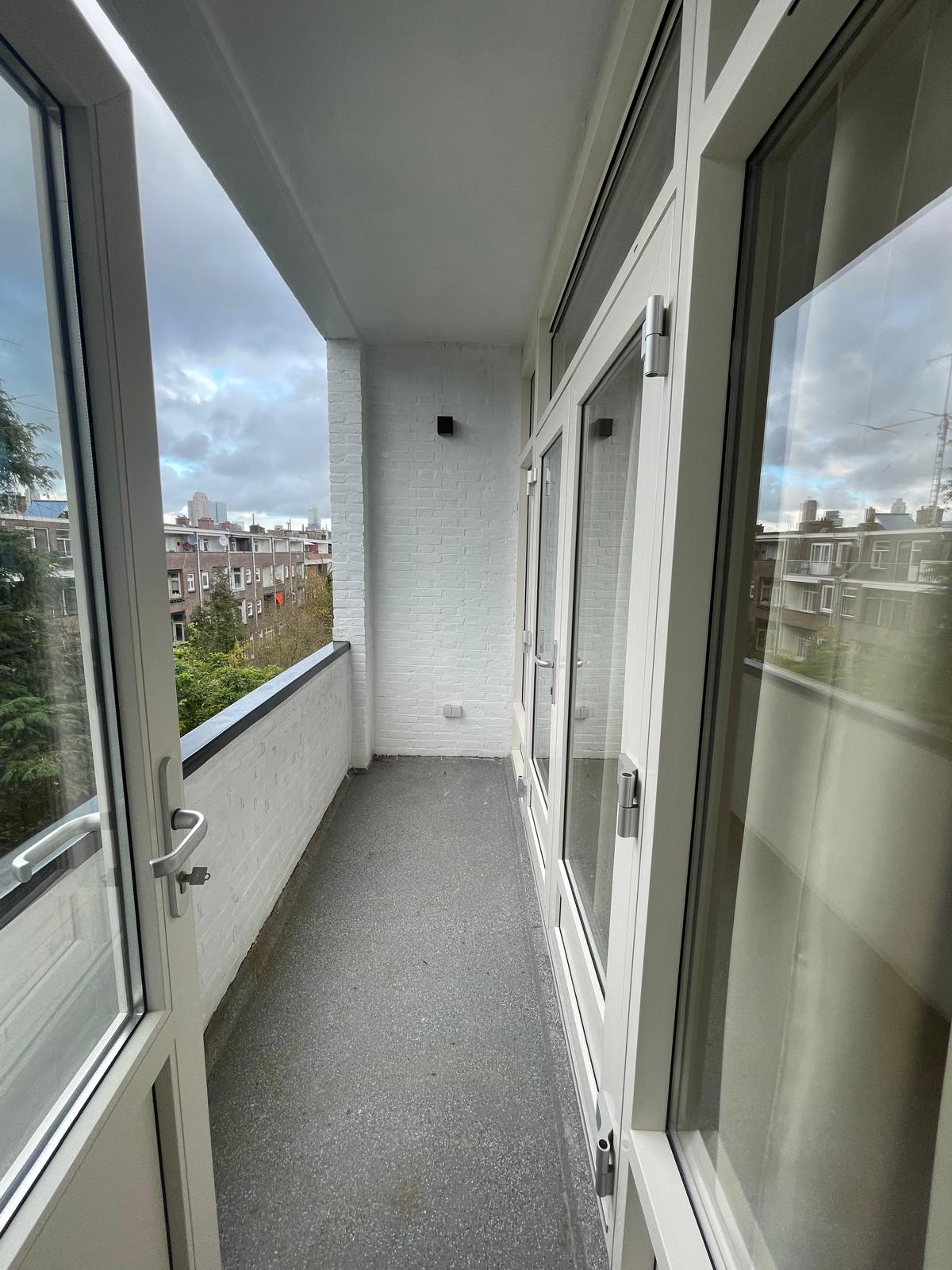
New frames and sliding doors feature in many of our renovations. A selection of completed work.
What our clients say
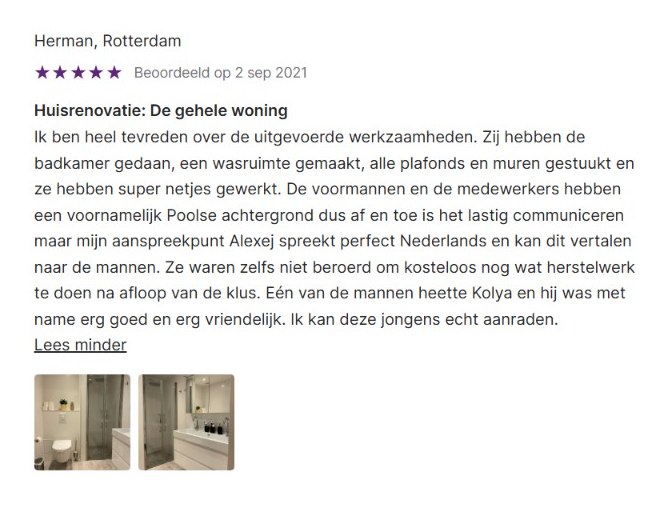

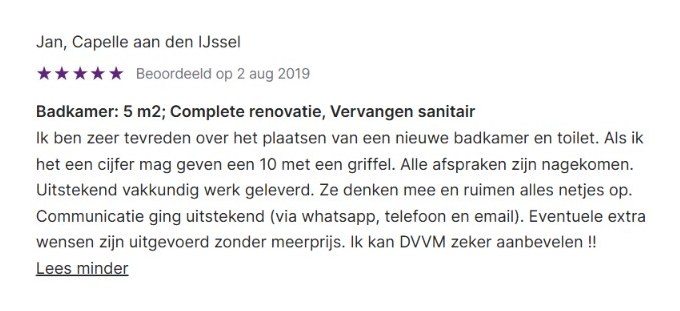

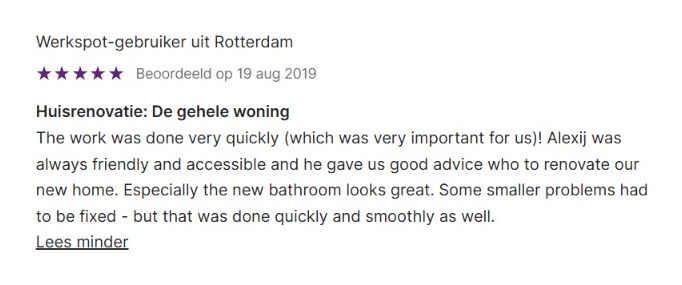


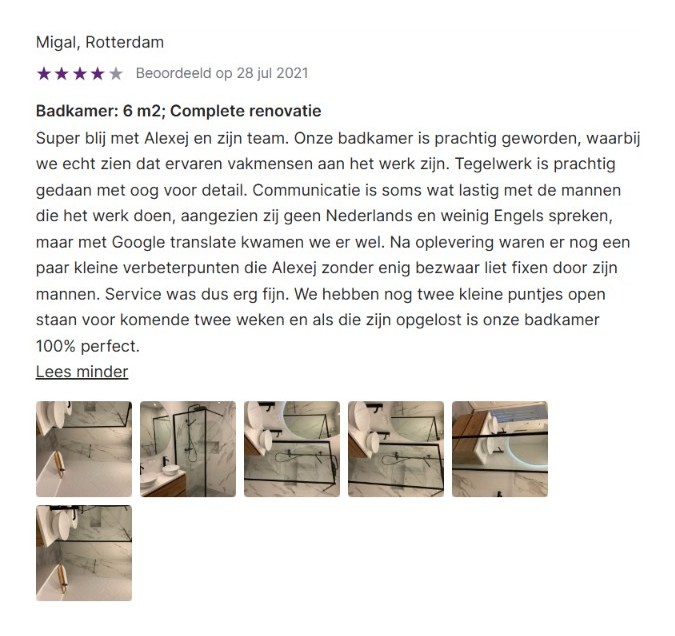



Would you like a result like this at home?
Tell us what you have in mind. You get a free quote, usually within one working day.
Frames, glazing, sliding doors and front doors
The most common options at a glance. We advise what suits your home, your budget and the rules of the municipality or owners' association.
uPVC frames
Low maintenance, well insulated and available in many colours and wood-grain finishes. The usual choice for terraced houses and flats.
Timber frames
For character buildings, listed buildings and streets where the appearance is protected. Timber needs periodic painting.
Aluminium frames
Slim profiles and large glass areas, ideal for sliding doors and modern extensions.
HR++ and triple glazing
The glazing determines most of the insulation. Sound existing frames can sometimes just get new glass.
Sliding and lift-slide doors
A wide opening to the garden or balcony, often together with an extension.
French doors and front doors
Garden doors, balcony doors and a new front door, fitted and hung.
Heritage glazing and secondary glazing
For listed buildings and protected townscapes, where the old frame must stay.
Insulation around it
New frames pay off most together with roof, floor and wall insulation.
Include the facade
Scaffolding up anyway? Pointing, brickwork and exterior painting in one go.
How we replace your window frames
From measuring to the last bead of sealant, in five steps.
Survey and measuring
We look at the existing frames and the connection to the facade and measure precisely.
Advice and quotation
Material, glazing, colour and opening direction, with a clear price per frame.
Production and planning
The frames are made to measure; we schedule fitting per facade.
Fitting and sealing
Old frame out, new frame in, airtight and watertight.
Finishing and handover
Sills, plastering, trims and painting, inside and out.
A quote for your window frames
Tell us briefly about your home and your plans. You get a free quote, usually within one working day, with no obligation.
- A clear price up front, extra work always agreed first
- Carried out by our own team, no subcontractors
- One year of guarantee on the work
Our own team, no subcontractors
Your entire job handled by our own 20 to 30 craftsmen. Short lines, one point of contact.
One price up front, no surprises
You know where you stand from the outset. No unexpected extra costs afterwards.
1-year guarantee on the renovation
We stand behind our work and are only finished when you are satisfied.
Which frame and glazing suit your home?
What each choice means for appearance, maintenance and insulation, so you know what you are choosing.
uPVC frames
The most common replacement in terraced houses and apartments. Low maintenance, well insulated thanks to the chambers in the profile and available in many colours, including a wood grain.
- No painting needed
- White, cream, anthracite or wood grain
- Tilt-and-turn windows, fixed panes and doors
- Profiles slightly wider than timber or aluminium
Timber frames
Suits pre-war buildings and listed houses. Timber allows fine profiles and details and is easy to repair: a damaged section is replaced without removing the whole frame.
- Character and fine profiles
- Often required for listed buildings
- Easy to repair
- Needs periodic painting
Aluminium frames
Strong and slim, ideal for large areas of glass, which is why it is the standard for sliding doors and bifolds. Modern profiles have a thermal break, so they insulate well.
- The slimmest profiles
- Suited to large doors
- Powder-coated in any colour
- Little maintenance
HR++ or triple glazing
The glass accounts for most of the insulation. HR++ often fits existing frames; triple glazing insulates better but is heavier and needs frames designed for it.
- HR++: the reliable standard
- Triple: best with new frames
- Acoustic glass on busy streets
- Heritage glass for slim rebates
Sliding and lift-and-slide doors
Doors to the garden bring light and space. A lift-and-slide door lifts slightly when opened, so even large, heavy panels run smoothly and seal well.
- Usually aluminium with slim profiles
- Low or flush threshold
- Also available as bifolds
- Steel beam for a wider opening
Front and back doors
A new front door improves insulation, security and appearance in one go. We fit doors with good hardware and match colour and style to the frames.
- Insulated doors with good hardware
- Burglar-resistant locks
- Matching colour and profile
- Double garden doors too
Window frames for every type of home
Every home needs its own approach. This is what we see most in Rotterdam, The Hague and the rest of the Randstad.
Pre-war town houses and upper flats
Tall windows, fine timber profiles and often stained glass. Here we usually choose timber in the original profile, with insulated or heritage glass, so the facade keeps its character.
1930s homes
Characteristic glazing bars and bay windows at the front. Often the front stays timber and the back gets uPVC or aluminium doors to the garden.
Post-war terraced houses
Simple frames in a row of identical houses. uPVC is the usual choice, sometimes for several neighbours at once, which makes planning and scaffolding more efficient.
Apartments
The facade belongs to the VvE (owners' association), which decides on colour, material and layout. Often all frames in the block are replaced at once from the maintenance plan.
Where replacing window frames goes wrong
A new frame always looks good after fitting. You notice the mistakes in winter. This is what we see most, and how we prevent it.
The joint between frame and wall is only sealed, without insulation.
We fill the joint with insulation, tape it airtight on the inside and watertight on the outside.
After replacement the house is airtight, but there are no trickle vents.
We include vents in the new frames or adjust the ventilation, so no condensation or mould develops.
Triple glazing in a frame that cannot take the weight.
We choose the profile and hardware to suit the glass, and advise HR++ if the frames stay.
A cold reveal: the inside of the wall around the frame becomes a cold strip.
We insulate the reveals and finish them neatly with plaster or lining.
Colour and profile don't match the facade or the street rules.
We check the rules for your address in advance and show profiles and colours on the facade.
Window frames in Rotterdam and across the Randstad
We replace window frames in Rotterdam and the rest of the Randstad, from walk-up flats in Rotterdam-Zuid to townhouses in The Hague and canal houses in Amsterdam. If your town is not listed, just get in touch.
And also in, among others
We work with reliable A-brands, for a durable result with a manufacturer's warranty.


























Questions about window frames
uPVC, timber or aluminium: what suits my home?
HR++ or triple glazing?
Do I need a permit for new window frames?
Does the owners' association need to approve?
Can I replace only the glass?
How long does it take?
Will it be messy inside?
Is there a subsidy for new glazing?
Do you fit sliding doors and front doors?
Do you work in English?
More work on the outside?
Facade renovation
Repair pointing and brickwork in the same round, with one scaffold.
Home insulation
Insulate roof, floor and walls so the new glass really makes a difference.
Home extensions
New garden doors as part of an extension.
Insulating a Dutch house
Our guide to insulation in Dutch homes.
Full home renovation
Frames, insulation and finishing in one plan.
Request a quote
A survey at your home and a clear price up front.
Ready for new window frames?
Book a free survey. We measure, advise on material and glazing and draw up a plan with a clear price per frame.
Replacing window frames: what matters
The frame itself is only half the story. The glazing, the connection to the wall and the rules of the municipality or owners' association decide whether new frames do what you expect.
Choosing the material
uPVC is the most common choice in the Netherlands: it insulates well, needs little maintenance and comes in wood-grain finishes. Timber remains the choice for listed buildings and character streets, and is easy to repair. Aluminium is strong and slim, which makes it ideal for wide sliding doors.
Glazing: the biggest gain
The glazing determines most of a window's insulation. HR++ is the standard; triple glazing insulates better but needs a frame designed for the weight. For listed buildings there is thin heritage glazing, or secondary glazing on the inside.
The connection to the wall
Draughts and leaks rarely start in the frame itself, but in the joint between frame and wall. We seal that joint airtight on the inside and watertight on the outside, then finish reveals, sills and paintwork so it looks as if it was always like that.
Permits, heritage and the VvE
If the appearance stays the same, replacement is usually permit-free. Changes to layout, colour or material at the front, or a listed building or protected townscape, often bring requirements for profiles and glazing. In apartment buildings the owners' association often decides on colour and model. See getting VvE permission to renovate.
Do not forget ventilation
New frames are far more airtight than old ones, so the house ventilates less by itself. Trickle vents or another form of ventilation belong in the plan, or you get condensation on the coldest surfaces. See insulating an old Dutch house without causing damp.
Common mistakes with new frames
- Triple glazing in frames that cannot carry the weight.
- Airtight frames without ventilation, causing condensation.
- Only sealing the joint with sealant, without a proper airtight and watertight seal.
- Ordering before the municipality or owners' association has approved.
New frames pay off most together with the rest of the shell: see home insulation. Scaffolding up anyway? See facade renovation.
What do new window frames cost?
Guide prices including VAT for Rotterdam and the Randstad in 2026: removing and disposing of the old frame, the new frame with HR++ glazing, installation and finishing the joints. uPVC sits at the lower end of each range, timber in the middle and aluminium at the top.
Replacing one window frame
A standard window frame about one and a half metres wide. Single frames cost more each, because preparation and set-up stay the same.
Front or rear facade at once
Four to six frames on one facade. The scaffolding goes up once and the facade looks consistent again.
All frames in the home
Eight to twelve frames, front, back and upstairs. This is usually where the ISDE subsidy pays off most.
Sliding or lift-and-slide door
Doors to the garden, often aluminium with slim profiles. Heavier glass and hardware, so a separate item in the quote.
| One frame | One facade | Whole house | Sliding door | |
|---|---|---|---|---|
| Lead time | One working day | Two to four working days | One to two weeks | One to two working days |
| Scaffolding | Only upstairs | Yes, upstairs | Yes | No, ground floor |
| ISDE subsidy | Usually not | Possible, depending on the glass | Often the most favourable | Possible, check RVO |